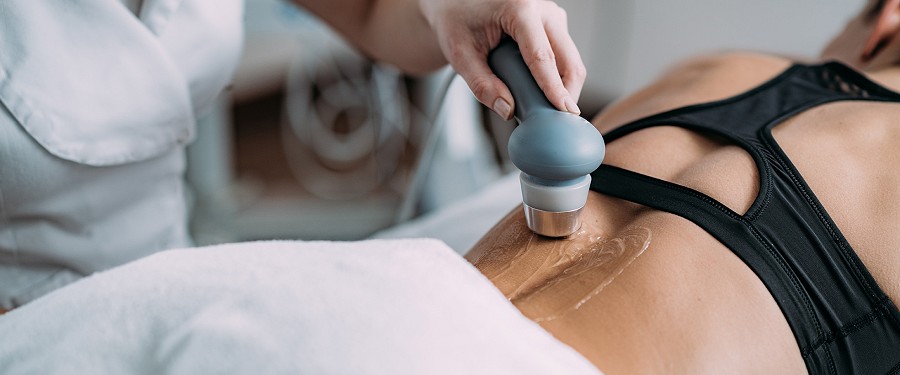

Ultrasound conductive gel is an essential element in modern aesthetics, especially when it comes to ultrasound-based treatments. These devices, used in therapies such as localized fat reduction and facial treatments, require a specific conductive gel to maximize their effectiveness. However, although its use may seem straightforward, many people make mistakes that can reduce the desired results. Below, we highlight the most common errors and how to avoid them in order to achieve the best outcomes from your aesthetic treatments.
Not Choosing the Right Gel for Each Type of Treatment
One of the most common mistakes is failing to select the appropriate ultrasound conductive gel for the specific treatment being performed. There are gels formulated specifically for facial treatments, body treatments, or different types of devices. Using the wrong gel can not only reduce the effectiveness of the treatment but may also damage the equipment.
Using a Low-Quality Gel
The quality of the ultrasound conductive gel has a direct impact on treatment results. A low-quality gel may obstruct the transmission of ultrasound waves or prevent them from penetrating the skin properly, reducing the effectiveness of the procedure.
It is essential to invest in high-quality products formulated with suitable ingredients for each application. For example, an aloe vera ultrasound conductive gel is an excellent option, as it not only facilitates effective ultrasound wave transmission but also provides soothing and skin-regenerating properties.
Applying an Insufficient Amount of Gel
Applying too little gel is a mistake that many people make, especially those with limited experience. The gel creates a layer that allows the device’s applicator head to glide smoothly over the skin. If an insufficient amount is applied, the transmission of ultrasound waves becomes less effective, which can reduce the quality of the treatment.
For optimal results, it is important to apply a generous and even layer of gel while avoiding excessive buildup, which can also be counterproductive.
Not Properly Cleansing the Skin Before Treatment
Before applying ultrasound conductive gel, it is essential to cleanse the skin thoroughly. The presence of oils, creams, makeup, or dirt can interfere with the penetration of ultrasound waves. Make sure the skin is completely clean and dry before beginning the treatment.
Not Keeping the Skin Hydrated After Treatment
Although ultrasound conductive gel provides temporary hydration during the procedure, it is important to maintain a proper post-treatment skincare routine. Failing to moisturize the skin adequately after each session may reduce the benefits of the ultrasound treatment and leave the skin more vulnerable.
Not Checking the Gel’s Expiration Date
Conductive gels also have a shelf life, and using an expired gel can affect both the effectiveness of the treatment and the health of the skin. Always check the expiration date and avoid using products that may have lost their properties.
Not Using the Gel at the Correct Temperature
Ultrasound conductive gel should be at room temperature or slightly warm to ensure smooth application and optimal performance. If the gel is too cold or too hot, it may cause discomfort during the treatment and reduce its effectiveness.
Not Following the Device Manufacturer’s Instructions
Every ultrasound device has specific requirements regarding the type of gel that should be used. Ignoring the manufacturer’s recommendations may lead to poor treatment results and, in some cases, damage the equipment.
Avoiding these common mistakes when using conductive gels in aesthetic treatments will allow you to maximize the benefits of ultrasound procedures. Remember that choosing the right gel, applying it correctly, and maintaining proper post-treatment care are essential for achieving the best possible results.
If you want to improve the effectiveness of your treatments, make sure to use a high-quality ultrasound conductive gel and always follow professional recommendations to ensure the best care for your skin.
