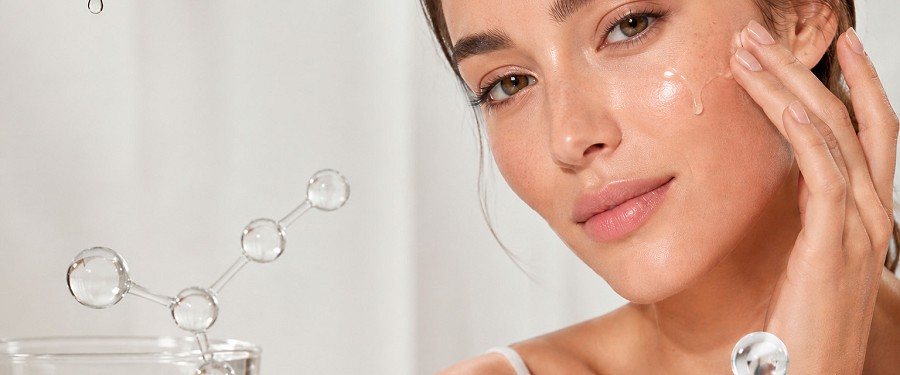

Niacinamide has become one of the most popular active ingredients in the skincare world, and for good reason. Versatile, well tolerated by almost all skin types, and supported by extensive scientific research, this form of vitamin B3 deserves a permanent place in your facial care routine. In this article, we explain what niacinamide is, how it works on the skin, and how to get the most out of it by combining it with other active ingredients.
What Are Natural Oils and What Are They Used For?
Niacinamide is a water-soluble form of vitamin B3 (nicotinic acid). Unlike some more aggressive active ingredients, niacinamide works gently yet effectively, acting on multiple layers of the skin at the same time.
Its greatest advantage is that it benefits virtually every skin type. Oily, combination, dry, sensitive, and mature skin can all take advantage of its balancing and protective properties.
Benefits of Niacinamide for the Face
What makes niacinamide unique is not just one benefit, but the combination of many. It is one of the few active ingredients capable of addressing several skin concerns simultaneously, including excess oil, dark spots, dehydration, aging, and inflammation. This versatility makes it suitable for virtually any skincare routine. Here are its main benefits.
Regulates Sebum Production and Minimizes the Appearance of Pores
One of niacinamide’s most well-known effects is its ability to regulate sebum production. For oily and combination skin, this means reduced shine, refined-looking pores, and a smoother skin texture.
